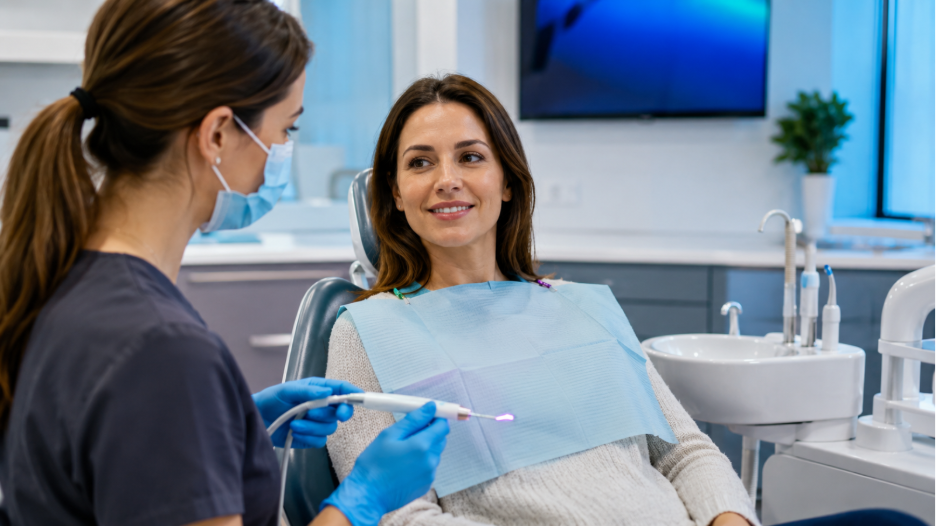
Dental technology continues to improve the way patients experience care. One area that has become increasingly valuable in modern dentistry is the use of dental lasers. Laser dentistry uses focused light energy to interact with oral tissues in a controlled way. Depending on the type of laser and the clinical situation, it may be used for soft-tissue procedures, gum care, lesion treatment, bacterial reduction, and improved treatment precision.
For patients looking for a Dental office in Yaletown, laser dentistry may be an important part of comfortable, modern dental care. It can be especially helpful for patients who want treatment that is precise, efficient, and designed to minimize unnecessary trauma to surrounding tissue.
At Marinaside Dental Vancouver, treatment recommendations are based on a patient’s diagnosis, oral health condition, medical history, and long-term dental goals.
What Is Laser Dentistry?
Laser dentistry involves the use of a dental laser to deliver concentrated light energy to oral tissues. The word laser stands for Light Amplification by Stimulated Emission of Radiation. In dentistry, lasers may be used on soft tissues, such as the gums, or hard tissues, such as enamel and dentin, depending on the laser type and wavelength.
The Canadian Dental Association recognizes dental lasers as a subset of medical lasers and notes that they can deliver controlled amounts of energy to carefully limited areas of tissue. It also emphasizes that dentists using lasers must be responsible for the safety, effectiveness, and appropriate clinical use of the equipment. (Canadian Dental Association)
In simple terms, a dental laser allows the dentist to treat a targeted area with a high level of control. This may help preserve nearby healthy tissue and support a more comfortable experience for some procedures.
How Dental Lasers Work
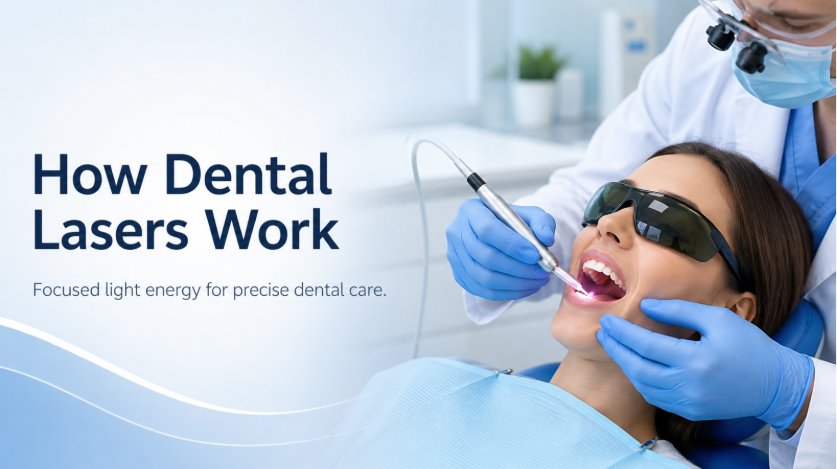
Dental lasers work by emitting light energy that is absorbed by specific components in oral tissue, such as water, pigments, or minerals. When the laser energy is absorbed, it can cut, reshape, vaporize, or disinfect tissue depending on the clinical purpose and laser settings.
Different dental lasers are designed for different uses. Some are mainly used for soft-tissue procedures, while others can be used for hard-tissue applications. The American Association of Endodontists explains that laser energy can be used to remove or modify soft and hard tissues in the oral cavity, while also noting that laser use must be based on proper training, safety protocols, and clinical judgment. (American Association of Endodontists)
Because laser dentistry depends on the correct wavelength, power setting, tissue type, and diagnosis, not every procedure or patient is suitable for laser treatment.
Common Uses of Laser Dentistry
Laser dentistry may be used in different areas of Yaletown Dentistry Vancouver BC, depending on the patient’s needs and the dentist’s clinical assessment. Common applications may include gum contouring, periodontal therapy support, treatment of inflamed soft tissue, frenectomy, exposure of partially erupted teeth, and management of certain oral lesions.
In gum care, dental lasers may help remove diseased or inflamed soft tissue from periodontal pockets. They may also help reduce bacterial levels in the treatment area. A Canadian dental review article notes that lasers have been studied for applications such as hard-tissue ablation, bacterial reduction in root canals, and soft-tissue hemostasis. (Canadian Dental Association)
Laser dentistry may also be used in cosmetic dentistry when reshaping uneven gumlines or improving the appearance of a “gummy smile.” However, gum reshaping should always be planned carefully to protect the biological width, periodontal health, and long-term stability of the gum tissue.
Benefits of Laser Dentistry for Gum Care
One of the most common reasons patients ask about laser dentistry is gum care. Healthy gums are essential for supporting the teeth, protecting the roots, and maintaining overall oral health. When plaque bacteria accumulate along the gumline, the tissues may become inflamed, leading to gingivitis. If untreated, inflammation may progress into periodontitis, a more serious condition involving clinical attachment loss and alveolar bone loss.
Laser dentistry may support periodontal treatment by targeting inflamed soft tissue and helping reduce bacteria in specific areas. It may be used along with scaling and root planing, periodontal maintenance, and home care instructions.
Laser treatment does not replace daily brushing, flossing, professional cleanings, or a full periodontal care plan. Instead, it may be one tool used as part of comprehensive preventive dental care when appropriate.
Comfort: Why Some Patients Prefer Laser Dentistry
Many patients feel anxious about dental treatment because of drills, scalpels, injections, bleeding, or post-treatment discomfort. Laser dentistry may help reduce some of these concerns during selected procedures.
For certain soft-tissue treatments, lasers can seal small blood vessels as they work. This process is called coagulation or hemostasis, and it may help reduce bleeding during treatment. Some patients may also experience less swelling or post-operative discomfort, depending on the procedure and tissue response.
Research on lasers in dentistry continues to evolve. A peer-reviewed review on laser dentistry describes dental lasers as useful tools in modern dental practice, particularly because of their precision and ability to interact with tissues in a controlled manner. (PMC)
That said, laser dentistry should not be presented as completely painless or universally better than traditional treatment. The amount of discomfort depends on the procedure, tissue condition, inflammation level, patient sensitivity, and whether local anesthesia is needed.
Precision and Minimally Invasive Treatment
One of the key advantages of laser dentistry is precision. A dental laser can be adjusted to treat a specific area while limiting unnecessary contact with nearby tissue. This may support a minimally invasive approach, especially for selected soft-tissue procedures.
In gum contouring, for example, precision matters because the dentist must create a balanced gumline without removing too much tissue. In periodontal care, precision matters because treatment should focus on diseased areas while preserving healthy gingival tissue.
For patients seeking Quality dental care, this type of controlled treatment can be valuable. However, the best outcome still depends on diagnosis, treatment planning, clinical skill, and proper follow-up care.
Can Laser Dentistry Help With Dental Anxiety?
Laser dentistry may help some patients feel more comfortable, especially if they are nervous about traditional instruments. Because laser treatment may involve less vibration, less pressure, and reduced bleeding in some cases, it can feel less intimidating for certain patients.
This makes laser dentistry a helpful follow-up topic for patients who experience dental anxiety. A patient who feels nervous about treatment may benefit from a combination of clear communication, gentle techniques, local anesthesia when needed, and comfort-focused options such as mild sedation dentistry.
Still, patients with dental anxiety should always tell their dentist how they feel before treatment begins. Anxiety management is most effective when the dental team understands the patient’s triggers and creates a supportive plan.
Is Laser Dentistry Safe?
When used correctly by a trained dental professional, laser dentistry can be safe and effective for appropriate procedures. Safety depends on proper case selection, protective eyewear, correct laser settings, controlled technique, and adherence to clinical protocols.
The Canadian Dental Association states that dentists who use medical lasers must establish appropriate procedures to ensure safe use and must have sufficient clinical skills for safe and effective treatment. (Canadian Dental Association)
Patients should feel comfortable asking what type of laser is being used, why it is recommended, what alternatives are available, and what results they can realistically expect.
Who May Be a Good Candidate for Laser Dentistry?
Laser dentistry may be suitable for patients who need certain soft-tissue procedures, periodontal therapy support, gumline reshaping, or treatment of specific oral lesions. It may also be helpful for patients who prefer a more conservative approach when clinically appropriate.
However, not everyone is a candidate. Patients with advanced periodontal disease, complex medical conditions, extensive decay, deep structural damage, or certain oral lesions may need other treatments first. A complete dental exam is necessary before deciding whether laser dentistry is appropriate.
A Dentist in Vancouver can assess your oral tissues, review your dental history, and recommend the most suitable treatment plan.
What to Expect During a Laser Dentistry Appointment
Your appointment usually begins with an examination and diagnosis. The dentist will explain why laser treatment may be recommended and whether local anesthesia is needed. Protective eyewear is typically worn during laser procedures.
During treatment, the laser is directed at the target area. Some patients notice warmth, light pressure, or mild sensation, but the experience depends on the procedure. After treatment, your dentist may provide instructions about eating, oral hygiene, pain management, and follow-up care.
For gum procedures, it is important to avoid irritating the area while it heals. Good oral hygiene, gentle brushing, and any prescribed rinses or instructions should be followed carefully.
Laser Dentistry and Long-Term Oral Health
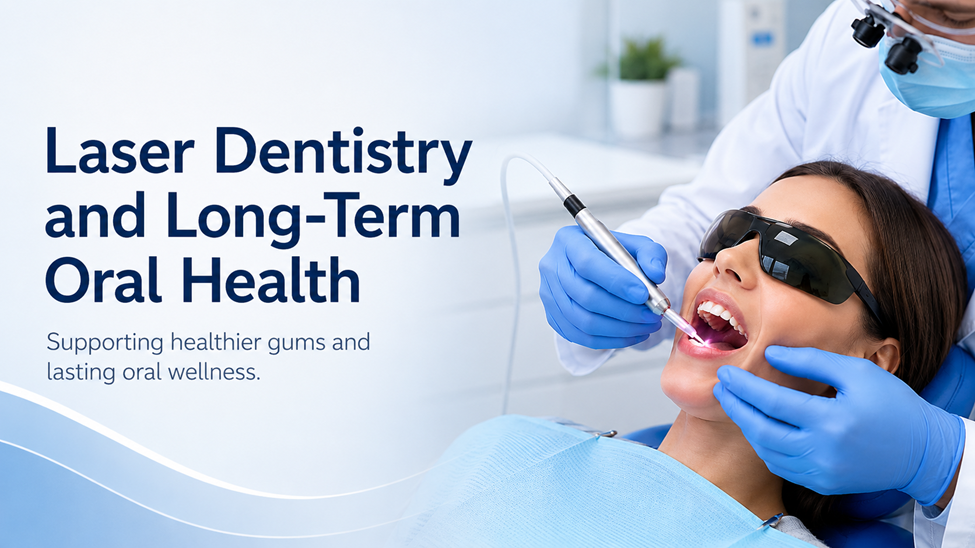
Laser dentistry can be a valuable tool, but long-term oral health still depends on consistent daily care and regular dental visits. Brushing twice a day, cleaning between the teeth, attending professional dental cleanings, and managing risk factors such as smoking, dry mouth, diabetes, or high plaque levels remain essential.
If you have gum inflammation, bleeding gums, gum recession, loose teeth, or persistent bad breath, it is important to schedule an evaluation. These symptoms may indicate periodontal disease or another oral health concern that needs professional care.
Final Thoughts
Laser dentistry offers a modern approach to selected dental procedures, especially when precision, soft-tissue management, and patient comfort are important. It may support gum care, reduce bleeding in some procedures, improve treatment control, and help some patients feel more relaxed about dental visits.
However, laser dentistry is not a one-size-fits-all solution. The right treatment depends on your diagnosis, gum health, tooth condition, medical history, and clinical goals.
At Marinaside Dental Vancouver, patients can discuss laser dentistry and other treatment options in a professional, patient-focused environment. If you are interested in modern dental care in Yaletown, a consultation can help determine whether laser dentistry is suitable for your smile.
